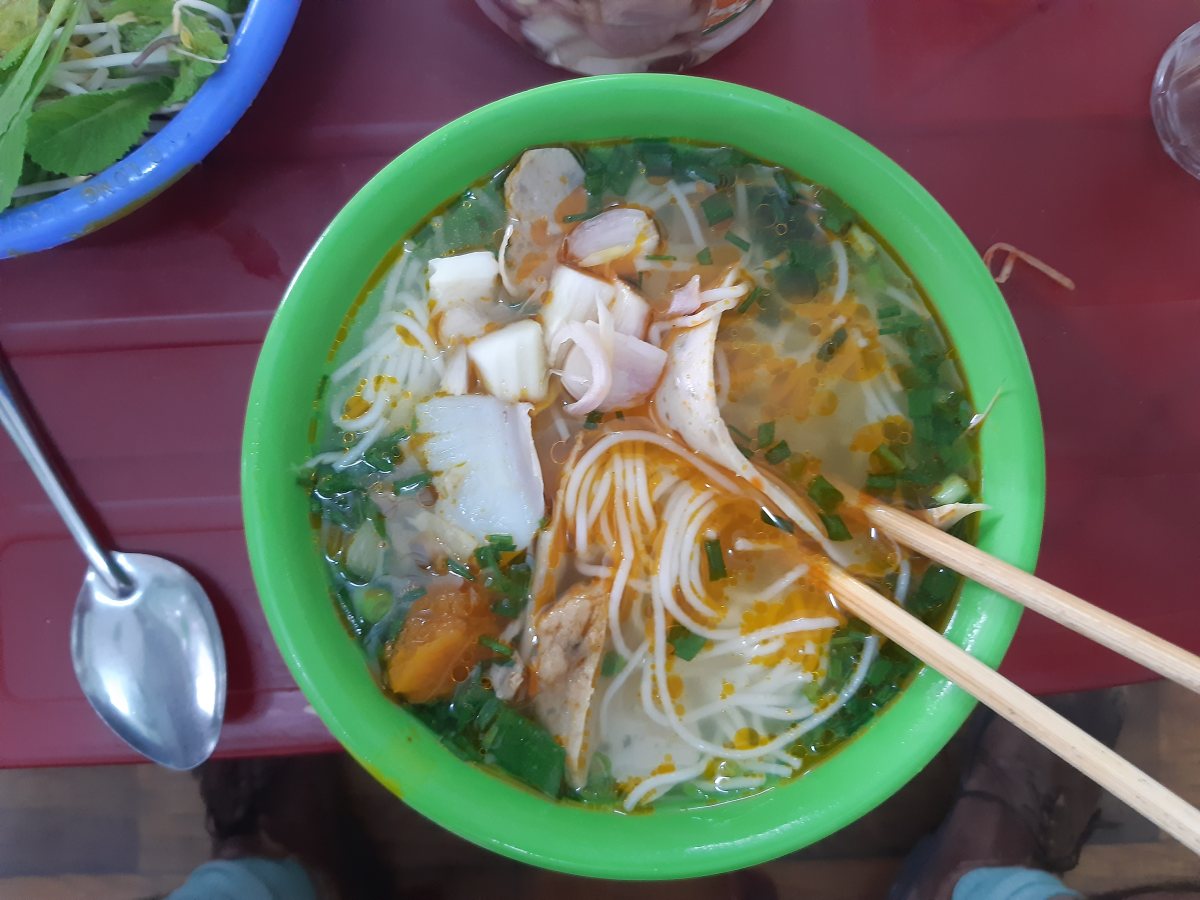
The Cultural Heritage of Da Nang Fish Cake Noodle Soup (Bún Chả Cá Đà Nẵng) in Nguyen Chi Thanh Street & Son Tra Peninsula, Da Nang
Along Nguyen Chi Thanh and Le Hong Phong streets in downtown Da Nang, steaming cauldrons of Bun Cha Ca greet fishermen, office workers, and students every morning.
Because Da Nang sits beside abundant fishing grounds in the East Sea, local cooks craft their fish cakes (Cha Ca) from 100% pure Spanish mackerel (Ca Thu), barracuda (Ca Nhong), or lizardfish (Ca Moi) without fillers, resulting in a naturally sweet, springy bite.
Every morning across Nguyen Chi Thanh Street & Son Tra Peninsula and along the breezy banks of the Han River, multi-generational family kitchens begin preparing Da Nang Fish Cake Noodle Soup long before sunrise.
For travelers and home cooks in the United States, the United Kingdom, Canada, and Australia, recreating Bún Chả Cá Đà Nẵng at home offers an unforgettable window into Central Vietnam's vibrant coastal gastronomy.
Unlike rushed restaurant adaptations, a truly authentic homemade batch relies on patience, fresh aromatics, and the delicate interplay of sweet, sour, salty, spicy, and herbal notes that define Da Nang cooking.
In Central Vietnamese culinary philosophy, food is never meant to be one-dimensional.
Every mouthful of Da Nang Fish Cake Noodle Soup is designed to engage all five senses: the golden visual warmth of natural spices, the fragrant steam of bruised lemongrass and shallots, the crunch of toasted nuts or crisp rice paper, and the cooling finish of garden-fresh herbs harvested from nearby Tra Que village.
Essential Ingredients & Smart Supermarket Substitutions
Gather 500 grams of skinless white ocean fish fillets (chilled near freezing), 400 grams of fish bones or pork neck bones for the stock, 250 grams of kabocha squash or pumpkin cut into chunks, half a ripe pineapple, three ripe Roma tomatoes, a quarter head of sweet green cabbage, 500 grams of round rice vermicelli noodles (Bun Tuoi), one tablespoon of mild Central Vietnamese shrimp paste (Ruoc Hue) dissolved in warm water, and pickled purple shallots.
When shopping for this recipe outside Vietnam, visit a well-stocked Asian grocery store or use reliable everyday supermarket equivalents.
Always look for first-press anchovy fish sauce (Nuoc Mam Nhi) with a high nitrogen protein rating, unrefined peanut or coconut oil for frying aromatics, and fresh lime juice rather than bottled citrus.
If you cannot find Central Vietnamese small purple shallots, French echalion shallots or finely diced red onions mixed with a clove of crushed garlic will deliver a wonderfully similar aromatic foundation.
Pro Tip on Choosing Fresh Aromatics
When selecting lemongrass stalks, choose firm, pale-green bulbs that feel heavy for their size and have not dried out at the cut base.
Remove the woody outer layer and smash the tender white core firmly with the flat side of a chef's knife before mincing—this ruptures the natural citrus oil cells and releases twice as much aroma into your pan.
Step-by-Step Traditional Da Nang Cooking Method
Step 1: Dice the ice-cold fish fillets and pulse in a food processor with minced shallots, garlic, white pepper, fish sauce, sugar, and a tablespoon of cornstarch, then knead or slap the paste in a chilled bowl for eight minutes until glossy and bouncy.
Step 2: Shape half the fish paste into a flat cake to steam for fifteen minutes, and shape the remaining half into golden fried patties.
Step 3: Simmer the fish bones with charred onion and ginger for forty minutes, strain the clear stock, and add the pumpkin, pineapple wedges, tomatoes, and cabbage until tender.
Step 4: Stir the settled clear liquid from the dissolved Hue shrimp paste into the pot along with annatto oil, adjusting with fish sauce and rock sugar.
Controlling Heat and Timing in the Kitchen
One of the most important secrets shared by seasoned home cooks in Da Nang is temperature discipline.
When caramelizing shallots, garlic, and turmeric in oil, keep your burner at medium-low so the aromatics turn translucent and golden without scorching.
Bitter burnt garlic will overpower the delicate sweetness of coastal seafood and pork broth.
Once your liquids are added, maintain a gentle, lazy bubble rather than a rolling boil so proteins remain juicy and tender.
How to Serve Da Nang Fish Cake Noodle Soup with a Traditional Central Vietnamese Herb Platter
Top each bowl of hot rice vermicelli and sliced steamed-and-fried fish cakes with chopped scallions, fresh cilantro, shredded lettuce, bean sprouts, and a side dish of sweet-and-sour pickled shallots (Hanh Tim Ngam Chua Ngot).
To wash and prepare your herb basket like a Da Nang local, submerge the leafy greens in a large bowl of cold water with a pinch of sea salt for five minutes, then spin them completely dry in a salad spinner.
Wet herbs will dilute your dipping sauce and cool down warm noodles, whereas crisp, dry leaves cling to the savory broth and release their essential oils the moment you take a bite.
Chef's Troubleshooting, Make-Ahead Storage & Reheating Guide
The secret to bouncy homemade Vietnamese fish cake is keeping the fish flesh below 4°C (39°F) while grinding; if the paste gets warm from the food processor blade, the protein emulsion breaks and turns crumbly.
Freeze the diced fish for twenty minutes before pulsing for foolproof elasticity.
Whether you are hosting a weekend family dinner or meal-prepping authentic Vietnamese comfort food for the week ahead, Da Nang Fish Cake Noodle Soup rewards careful preparation.
Store the aromatic broth or dipping sauce, the cooked protein, and the fresh raw vegetables in separate airtight glass containers in the refrigerator for up to three days.
When ready to serve, gently reheat the savory components on the stovetop with a splash of water or stock, assemble with fresh herbs just before sitting down at the table, and enjoy the true taste of Da Nang right in your own dining room.